[ Crowns & Bridges ]

ZIRCONIA CROWNS.

Monolithic and layered. Posterior strength, anterior esthetics. Custom shade matching on every case. Eastern turnaround, no shortcuts.

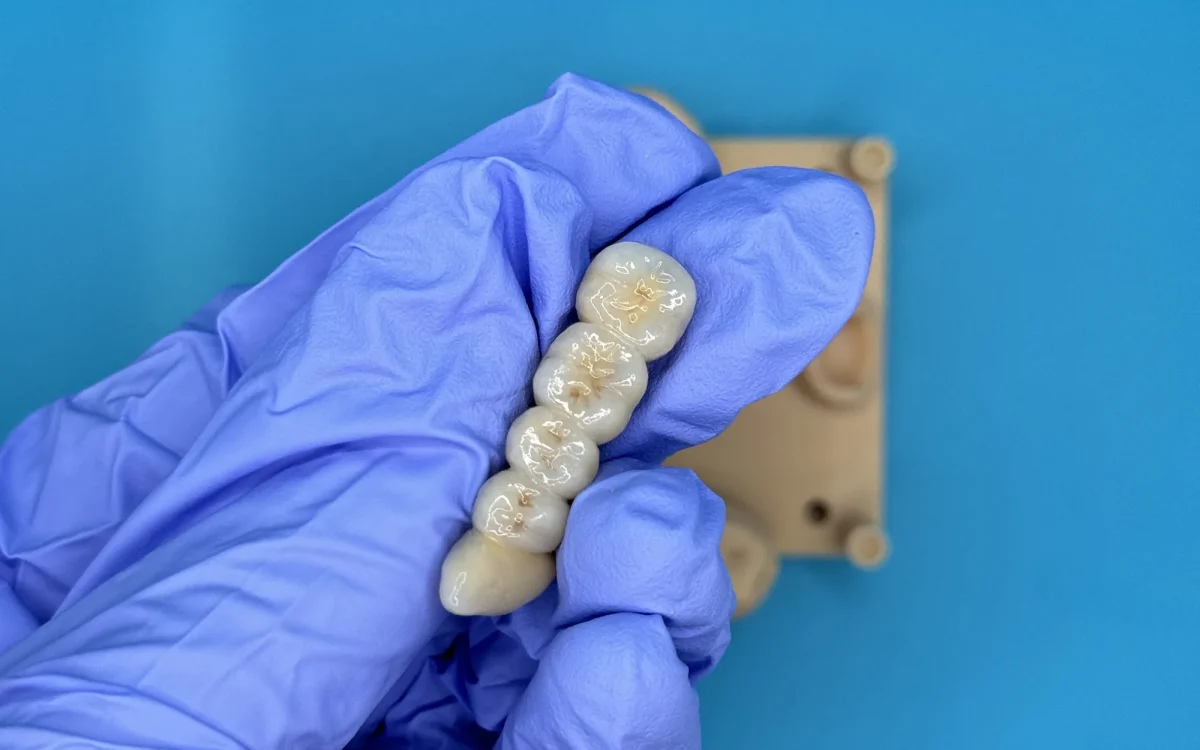
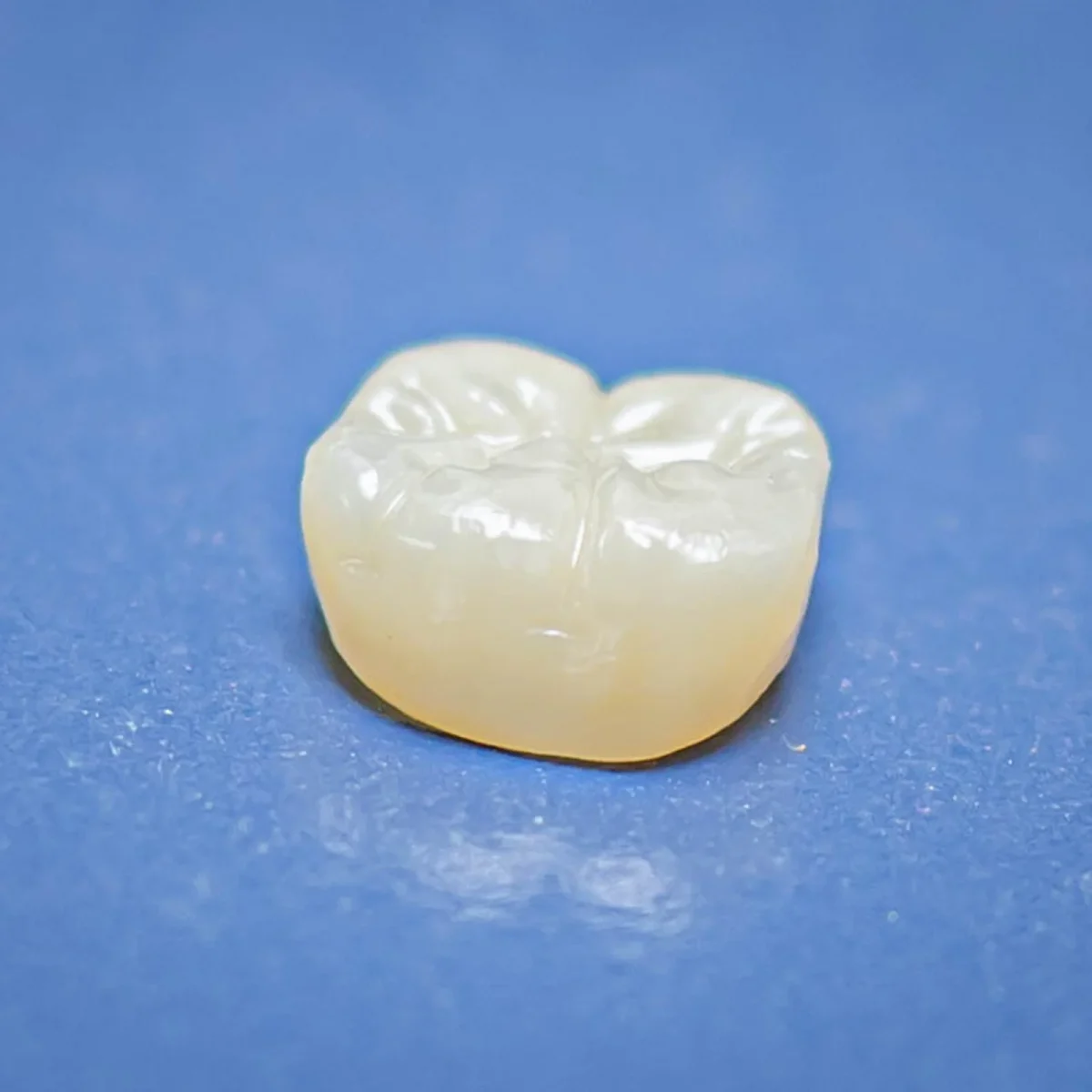
Single zirconia crown detail shot
[ What it is ]

WHAT ZIRCONIA IS, AND WHEN IT'S RIGHT.

Zirconia is a yttria-stabilized ceramic that has effectively replaced PFM as the default for most posterior single units and many anterior cases. It’s strong enough to handle parafunctional patients, esthetic enough for anterior cases when used in layered form, and predictable enough that most prescribing decisions become routine.

  • Right call: posterior singles, posterior bridges within span limits, parafunctional patients, anterior cases where the patient accepts slightly less translucency than Emax in exchange for added strength.
  • Emax tends to win: anterior single units where the shade match needs to disappear, thin veneer indications.
  • PFM still has a role: certain alloy-driven cases, certain insurance-driven cases, certain parafunctional cases where the dentist prefers PFM specifically.
[ Two paths ]

MONOLITHIC VS LAYERED ZIRCONIA.

We use monolithic for most posterior cases. Layered for anterior cases where the shade match has to read as natural. The decision is usually clear from the prep and the photo.

Monolithic

Milled from a single block and stained. Strongest option, fastest fabrication, most predictable for posterior cases. The trade-off is some loss of optical depth compared to layered.

  • Posterior singles, bridges within span limits.
  • Parafunctional patients.
  • Conservative reductions accepted.
  • Fastest turnaround.

Layered

Zirconia substructure with porcelain layered on the facial surface. Closest match to natural tooth structure, particularly in anterior cases. Trade-off: longer fabrication, higher remake risk if layering is mishandled.

  • Anterior single units where shade must disappear.
  • High-translucency requirements.
  • Slightly more facial reduction needed.
  • Longer fabrication window.
[ Decision Aid ]

ESTHETICS VS STRENGTH, BY CASE.

Pick the scenario closest to your case. We'll show the recommendation and the reasoning. Anything outside these reads as a planning call, not a guess.

/ Choose a scenario
/ Recommendation

Monolithic zirconia.

Strength wins. No reason to risk porcelain chipping under heavy occlusion when monolithic delivers comparable esthetics for a posterior position.

· Material: monolithic zirconia · Prep: conservative · TAT: standard
[ IDA Difference ]

CUSTOM SHADE MATCHING IS STANDARD.

For anterior cases especially, stock shade selection is a starting point, not a finish. Send us the stump shade, the adjacent tooth photo, and any incisal characterization you’d like reproduced. We do the layering and characterization work in-house.

If the shade lands wrong, we want to hear about it on the case, not on the next case. That’s a conversation, not a remake form.

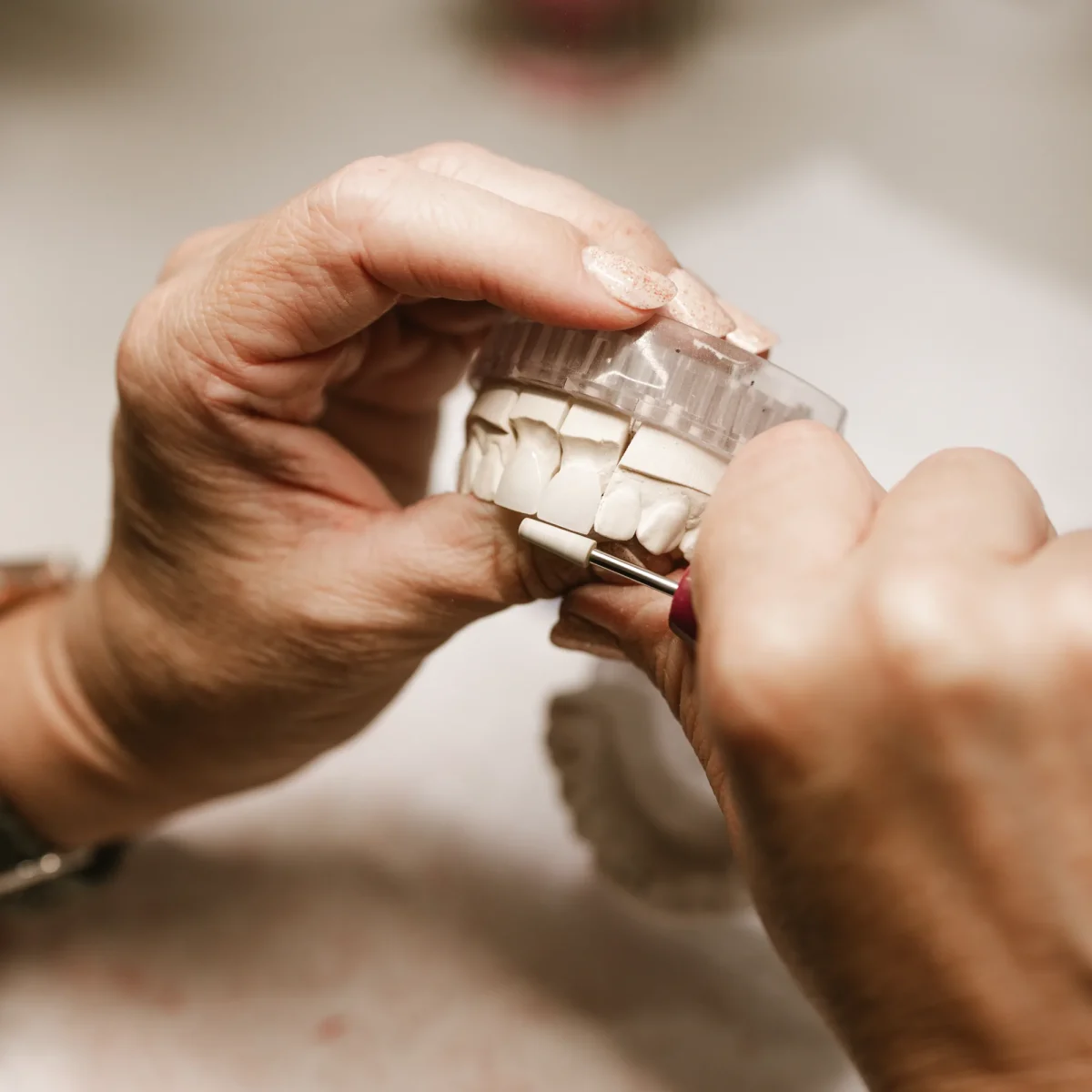
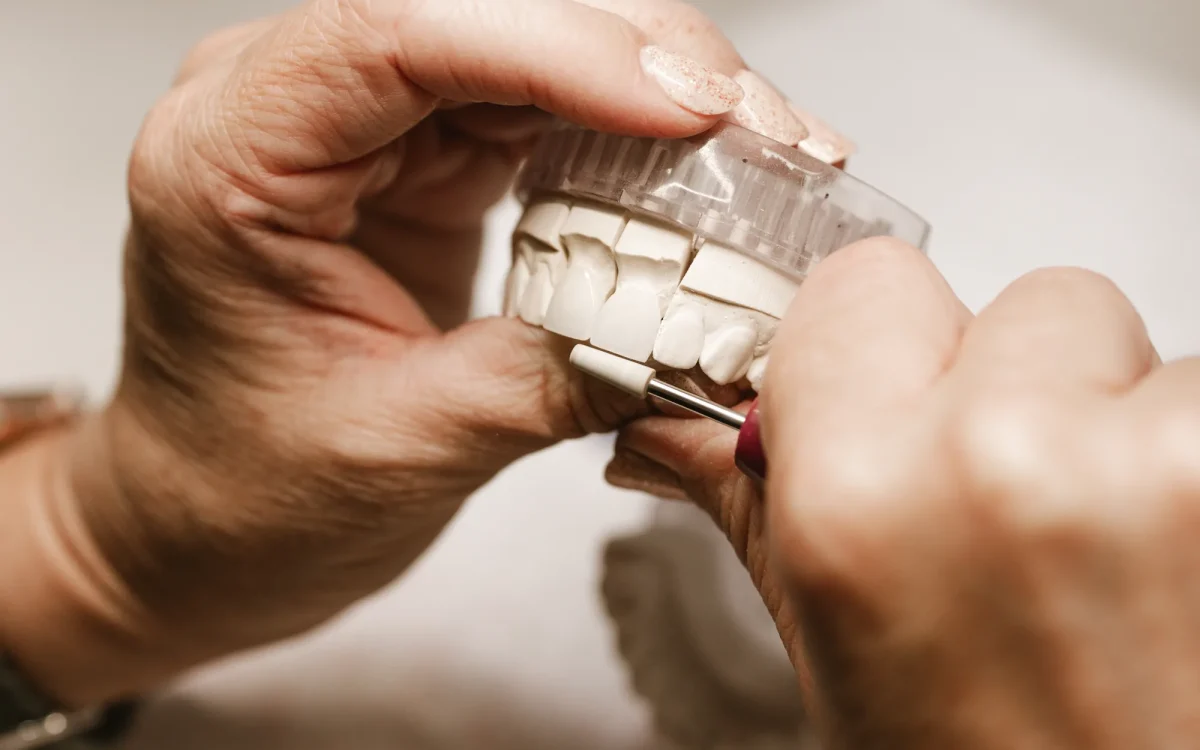
An anterior shade match in progress at the IDA bench
[ Prep guide ]

PREP DIMENSIONS AND WHAT WE NEED FROM YOU.

For monolithic zirconia, we work with most conservative reductions. For layered zirconia in the anterior, we need a touch more facial reduction to make room for the porcelain layering without compromising strength.

Specific prep dimensions and tolerance guidance are listed in our prep guide, and any case that’s outside those tolerances we’d rather flag and discuss than fabricate and hope.

[ ADA codes for this case ]

ON THE PRESCRIPTION.

Reference values · confirm against current CDT. Insurance language varies by carrier.

D2740
Crown - porcelain/ceramic

Monolithic or layered zirconia crowns billed under this code in most cases.

D2750
Crown - porcelain fused to high noble metal

Reference code for crown comparison conversations. Not used for zirconia.

D2920
Re-cement crown

Standard recement code. Document the reason for case-history tracking.

D2962
Labial veneer (laminate) - ceramic

Cross-reference for thin anterior cases that might shift to veneer indication.

D2980
Crown repair, by report

For chair-side adjustments after delivery. Document scope in the report field.

[ Dentists · in their words ]

WHAT DENTISTS SAY AFTER THEIR FIRST CASE WITH US.

"IDA has become my go to dental lab for all of my implant crowns and bridges as well as traditional bridge cases. Their restorations consistently demonstrate an outstanding fit, often seating with minimal to no adjustments. The esthetics also meet the highest demands. They are easy to work with and always helpful when questions arise. I confidently recommend them to colleagues seeking reliable, highly esthetic results."

Dr. Michael O'Brien

"We've had nothing but positive experiences with this lab. Their team is always willing to help, whether we have questions about a case, need assistance with a remake, or just want a second opinion on treatment planning."

Dr. Lauran Spencer
Dr. Lauran Spencer, DDS

"IDA Tulsa's work on fixed restorations, implant and tooth borne, is very high quality and consistent. Everyone I've worked with from IDA has been very available, open to communication, and helpful in delivering quality restorations for patients. Chris has been a great partner to work with in the dental business."

Dr. Heath Coleman
Dr. Heath Coleman Secure Dentures and Implants
[ Get Started ]

READY TO PLAN YOUR NEXT CASE WITH US?

Schedule a 15-minute case consultation with an IDA technician. We'll talk through your scan, your patient, and what you need from us.

[ FAQ ]

QUESTIONS FROM THE PREP.

The questions that come up most often before we fabricate. Anything outside these is a planning call.

Contact Us

Conservative compared to PFM. Specific tolerances are in the prep guide and we’re happy to walk through any case that’s borderline.

If the shade match has to be invisible, layered. If the patient is parafunctional and the esthetic demand is moderate, monolithic with custom shade work usually gets there.

Posterior singles, parafunctional cases, longer-span bridges: zirconia. Anterior single units where the shade has to disappear and the prep allows for thin material: Emax. The line is rarely a guess.

D2920 for recement of crown is the standard reference.

Eastern turnaround, no shortcuts. Complex cases run the case-planning call before the bench starts.