[ Nightguards ]

NIGHTGUARDS & OCCLUSAL GUARDS.

Hard, soft, dual-laminate, and NTI. From any scanner or impression. Designed for the bruxer, the parafunctional patient, the post-restorative case, and the TMD patient.

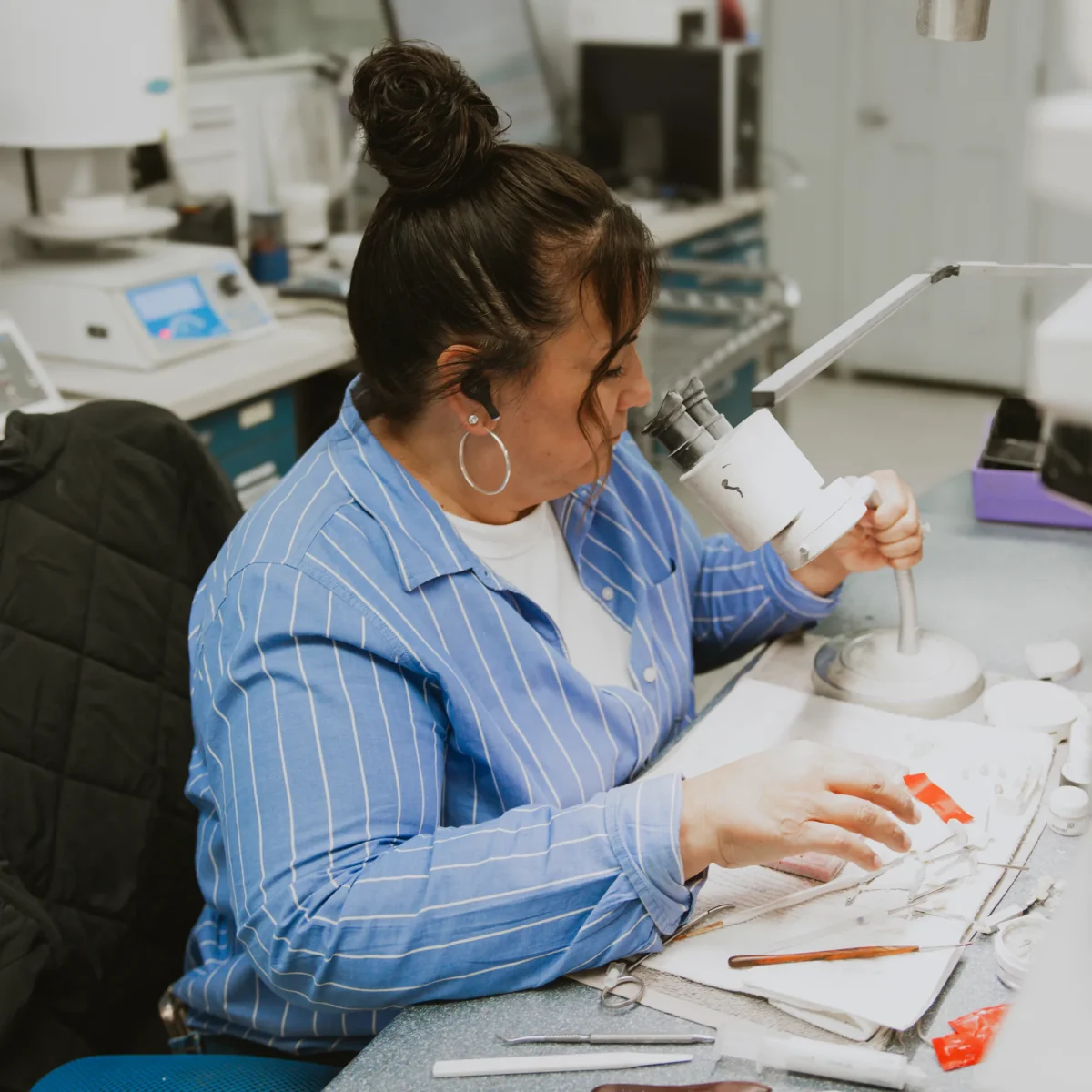
Occlusal guard at the IDA bench
[ What it is ]

WHEN TO PRESCRIBE.

We fabricate to the prescription. The diagnostic and treatment-planning decisions stay with the dentist. The clearest indications are bruxism, parafunctional load, TMD, and post-restorative protection.

  • Bruxism: patients with worn occlusal surfaces or partner-reported nighttime grinding.
  • Parafunctional load: patients whose bite generates more force than the dentition can absorb long-term.
  • Post-restorative protection: patients with significant restorative work (full-mouth zirconia, multiple implant restorations, esthetic veneers).
[ Two material approaches ]

HARD VS SOFT.

Hard acrylic for bruxism and parafunctional load. Soft thermoplastic for comfort and minor grinding. Dual-laminate combines both, covered in the body below.

Hard (Acrylic)

Pressure-formed acrylic. Durability for severe bruxers and parafunctional cases. Maintains shape under heavy load, doesn't deform with use.

  • Bruxism + heavy parafunctional load.
  • Long service life.
  • Maintains shape under load.
  • Patient adjustment period typical.
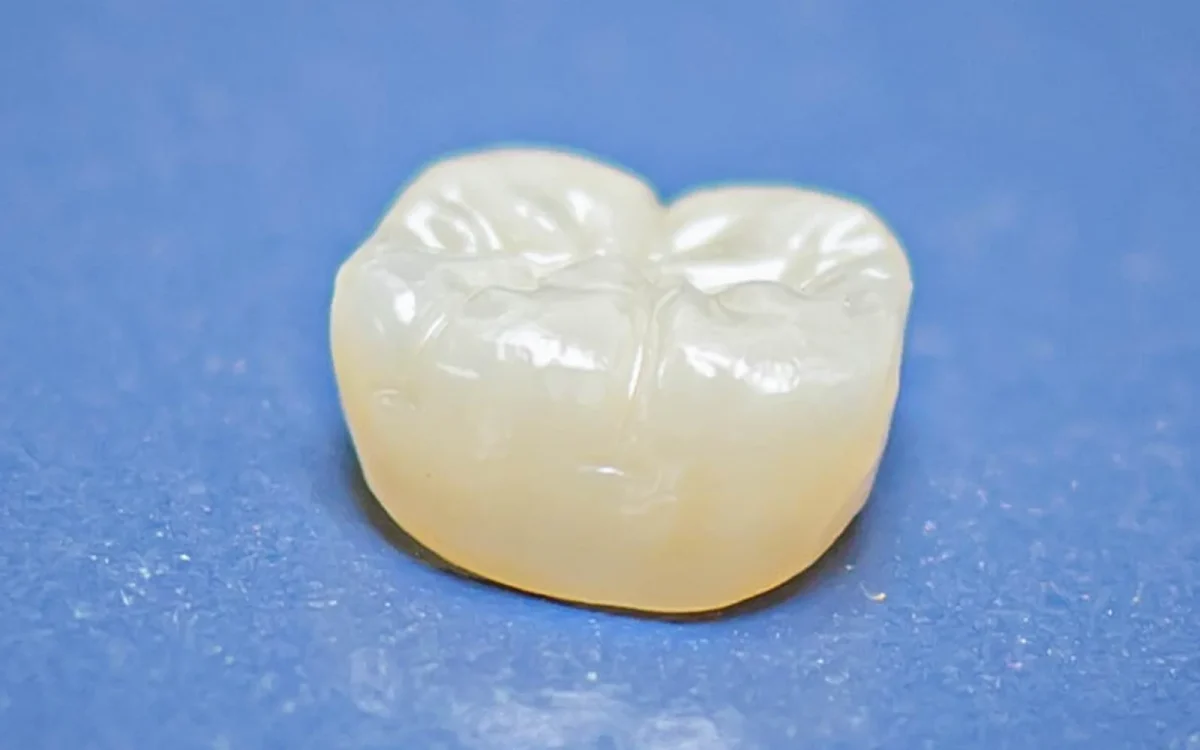
Soft (Thermoplastic)

Thermoplastic guard, softer fit, easier patient adoption. The right call for minor grinding, TMD comfort cases, and patients who can't tolerate a hard guard.

  • Minor grinding, TMD comfort.
  • Easier patient adoption.
  • Less long-term durability.
  • Comfortable, lower-cost tier.
[ Decision Aid ]

BY CASE, BY MATERIAL.

Pick the scenario closest to your case. We'll show the recommendation and the reasoning. Anything outside these reads as a planning call, not a guess.

/ Choose a scenario
/ Recommendation

Monolithic zirconia.

Strength wins. No reason to risk porcelain chipping under heavy occlusion when monolithic delivers comparable esthetics for a posterior position.

· Material: monolithic zirconia · Prep: conservative · TAT: standard
[ IDA Difference ]

FROM ANY SCANNER OR IMPRESSION.

We fabricate from any major intraoral scanner (iTero, TRIOS, Medit, Primescan) or from a traditional impression. Include the opposing arch for occlusal registration and any clinical notes on the patient’s bite.

The design starts with the scan or impression. We adjust the occlusal scheme, the thickness, and the boundary extensions to the case. Borderline cases get a planning call, we’d rather over-discuss than fabricate to a guess.

IDA technician at digital scanner workflow desk
[ Patient counseling ]

SIDE EFFECTS AND ADJUSTMENT.

Most nightguard patients adjust within a week or two. The most common short-term experiences are increased salivation, mild jaw soreness, and the feeling of having something foreign in the mouth at first.

The longer-term considerations: a nightguard worn full-time can occasionally cause minor occlusal changes if the design isn’t right for the case. This is why the design and the prescription matter. For TMD patients particularly, follow-up adjustments are part of the treatment, not a sign that the appliance was wrong.

[ ADA codes for this case ]

ON THE PRESCRIPTION.

Reference values · confirm against current CDT. Insurance language varies by carrier.

D9944
Occlusal guard - hard appliance, full arch

Hard guard and dual-laminate default.

D9945
Occlusal guard - soft appliance, full arch

Soft full-arch guard.

D9946
Occlusal guard - hard appliance, partial arch

NTI and anterior-only splints.

D7880
Occlusal orthotic device, by report

For TMD-specific orthotic appliances.

[ Dentists · in their words ]

WHAT DENTISTS SAY AFTER THEIR FIRST CASE WITH US.

"IDA has become my go to dental lab for all of my implant crowns and bridges as well as traditional bridge cases. Their restorations consistently demonstrate an outstanding fit, often seating with minimal to no adjustments. The esthetics also meet the highest demands. They are easy to work with and always helpful when questions arise. I confidently recommend them to colleagues seeking reliable, highly esthetic results."

Dr. Michael O'Brien

"We've had nothing but positive experiences with this lab. Their team is always willing to help, whether we have questions about a case, need assistance with a remake, or just want a second opinion on treatment planning."

Dr. Lauran Spencer
Dr. Lauran Spencer, DDS

"IDA Tulsa's work on fixed restorations, implant and tooth borne, is very high quality and consistent. Everyone I've worked with from IDA has been very available, open to communication, and helpful in delivering quality restorations for patients. Chris has been a great partner to work with in the dental business."

Dr. Heath Coleman
Dr. Heath Coleman Secure Dentures and Implants
[ Become a Client ]

READY TO PLAN YOUR NEXT CASE WITH US?

Schedule a 15-minute case consultation with an IDA technician. We'll talk through your scan, your patient, and what you need from us.

[ FAQ ]

QUESTIONS FROM THE PREP.

The questions that come up most often before we fabricate. Anything outside these is a planning call.

Contact Us

Functionally, the same appliance. “Night guard” is the patient-facing term. “Occlusal guard” is the ADA-coded term. Same fabrication, same materials, same indication for most cases.

Hard guards typically 3 to 5+ years with reasonable patient handling. Soft guards 1 to 2 years. Dual-laminate sits between.

D9946 (occlusal guard, partial arch).

iTero, TRIOS, Medit, Primescan, and other major intraoral scanners. Traditional impressions are also fine.