[ Implant Restorations ]

IMPLANT OVERDENTURES.

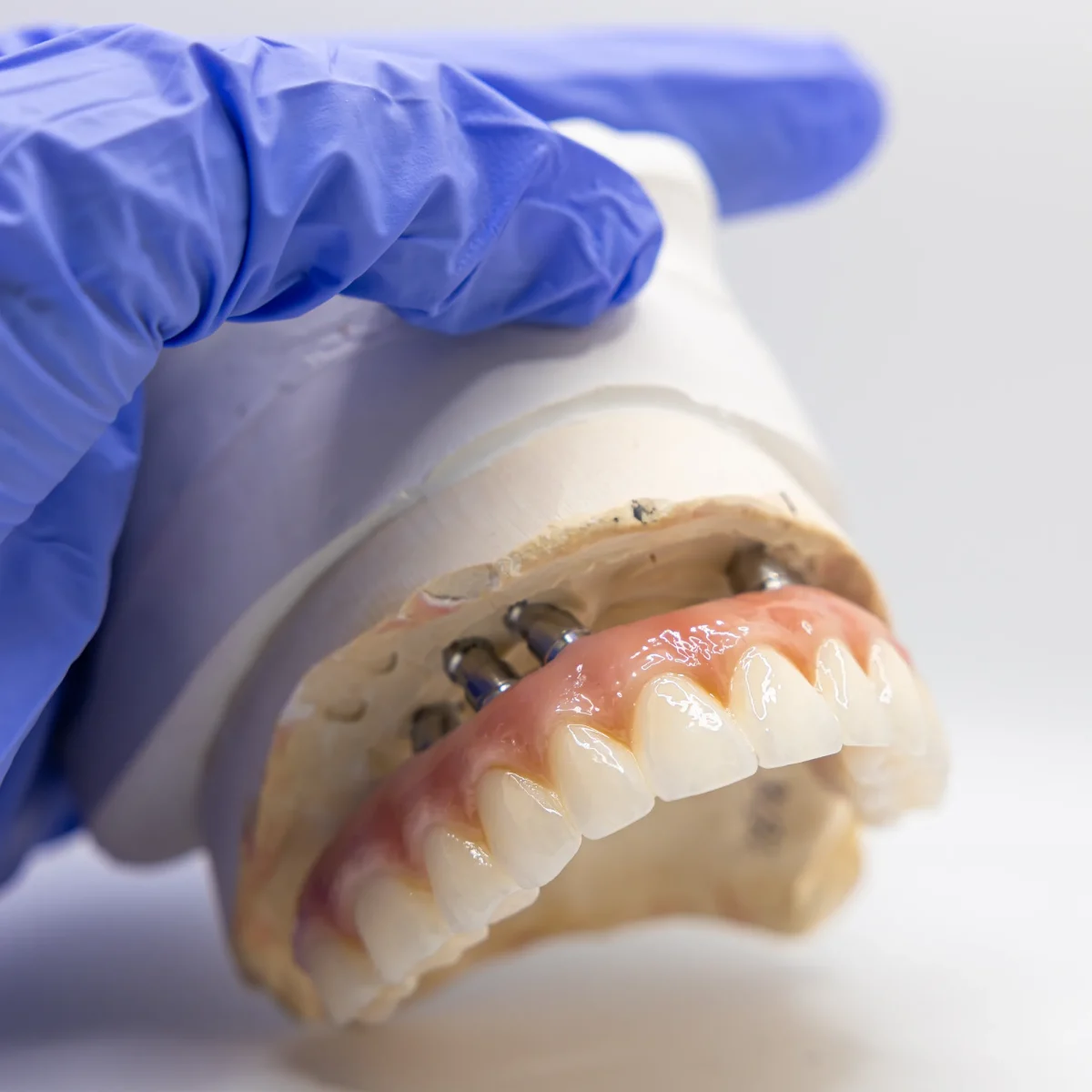
Locator-retained and bar-retained (Hader bar). Designed with the dentist on the case planning call, fabricated to the soft tissue, finished for the patient who'll live with it daily.

Mandibular implant overdenture from the side
[ What it is ]

WHO IT FITS.

The edentulous patient who wants the retention and chewing function of a fixed restoration but isn’t ready (clinically, financially, or by preference) for a full-arch fixed bridge. Implant overdentures sit between traditional dentures and full-arch fixed restorations on every axis: cost, retention, chewing function, maintenance.

  • Right call: edentulous patients who want retention beyond a traditional denture but not a fixed full-arch case.
  • Planning checklist: implant count (2-4 mandibular, 4 maxillary), bone availability, soft tissue, and the patient’s manual dexterity.
  • Maintenance reality: locator attachments wear and need periodic replacement. Bar designs need careful tissue management.
[ Two retention systems ]

LOCATOR VS BAR-RETAINED.

Locator-retained for cases where attachments stay independent. Bar-retained (Hader) when retention strength and stability are the priorities. We'll plan the choice on the case.

Locator-retained

Independent locator attachments on each implant. Easier patient maintenance, tolerates implant divergence better, and recovers gracefully from single-implant complications.

  • Independent attachments per implant.
  • Patient-friendly maintenance.
  • Tolerates implant divergence.
  • 2–4 implants typical.

Bar (Hader)

Connected bar splints the implants and the denture clips onto the bar. More retention strength, more stability, but more professional maintenance over time.

  • Maximum retention and stability.
  • Splinted implants, distributed load.
  • Professional maintenance schedule.
  • 4+ implants typical.
[ Decision Aid ]

LOCATOR, BAR, BY CASE.

Pick the scenario closest to your case. We'll show the recommendation and the reasoning. Anything outside these reads as a planning call, not a guess.

/ Choose a scenario
/ Recommendation

Monolithic zirconia.

Strength wins. No reason to risk porcelain chipping under heavy occlusion when monolithic delivers comparable esthetics for a posterior position.

· Material: monolithic zirconia · Prep: conservative · TAT: standard
[ IDA Difference ]

PLANNED FOR THE PATIENT WHO WEARS IT.

Implant overdenture cases are the cases where soft tissue, implant count, and patient handling all interact. Start with a digital scan or model of both arches with the implants captured. Include the opposing arch, soft tissue photos, and any notes on the patient’s manual dexterity or maintenance preferences.

Schedule a case planning call. We’ll work through implant count, attachment choice, and processing decisions together. The plan we leave the call with is the plan that goes to the bench.

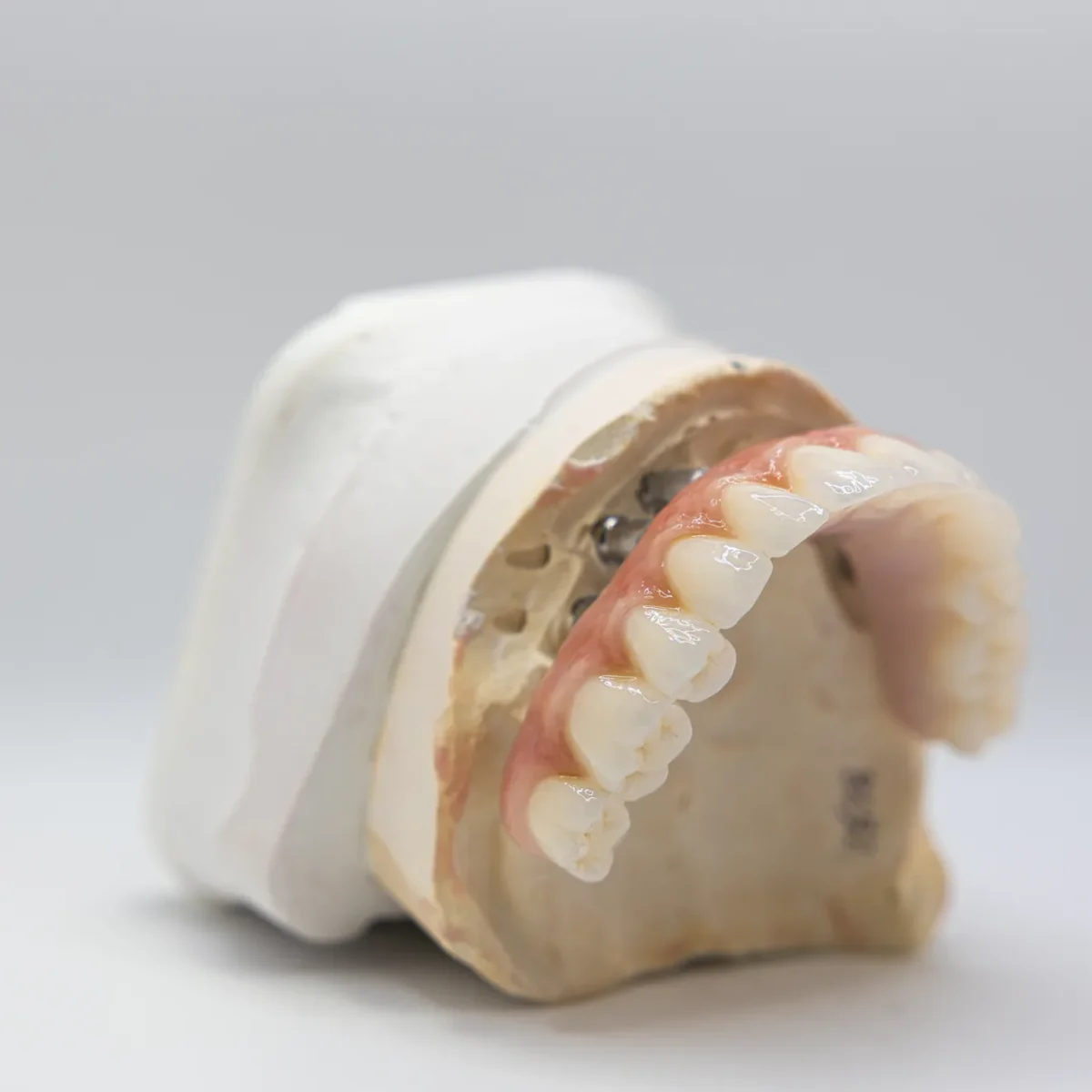
All-on-X occlusal screw channels at the IDA bench
[ Materials ]

MATERIALS AND PROCESSING.

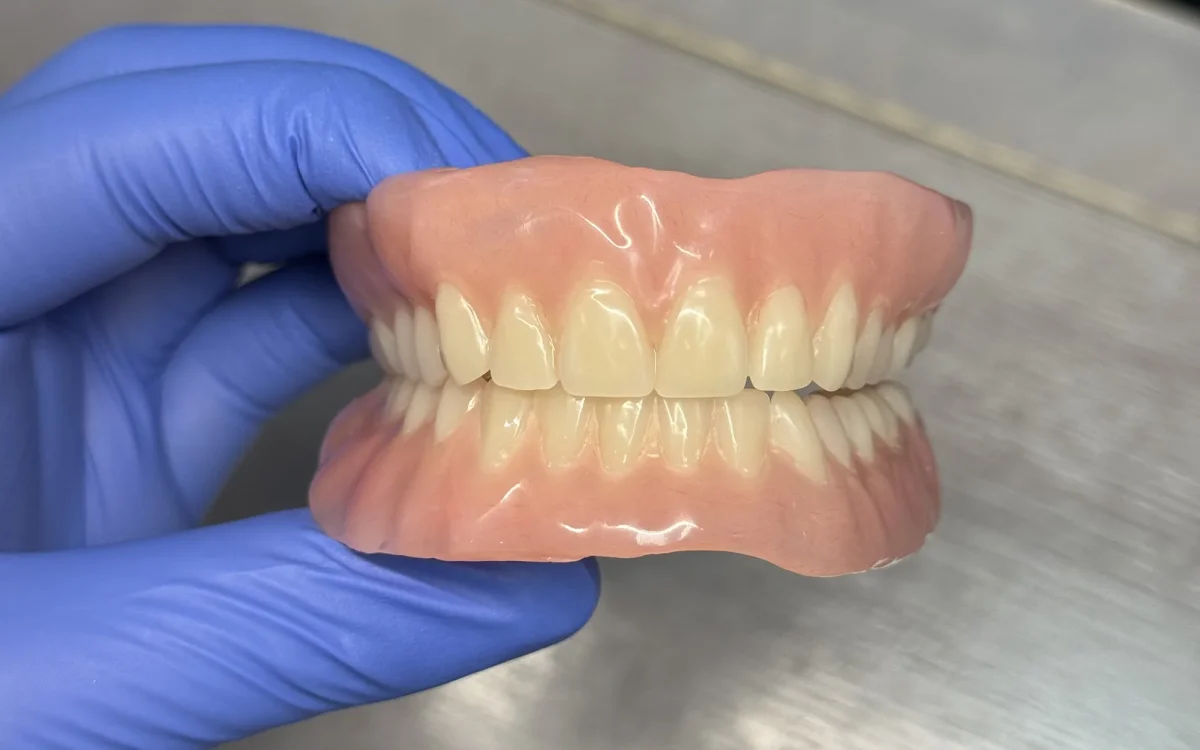
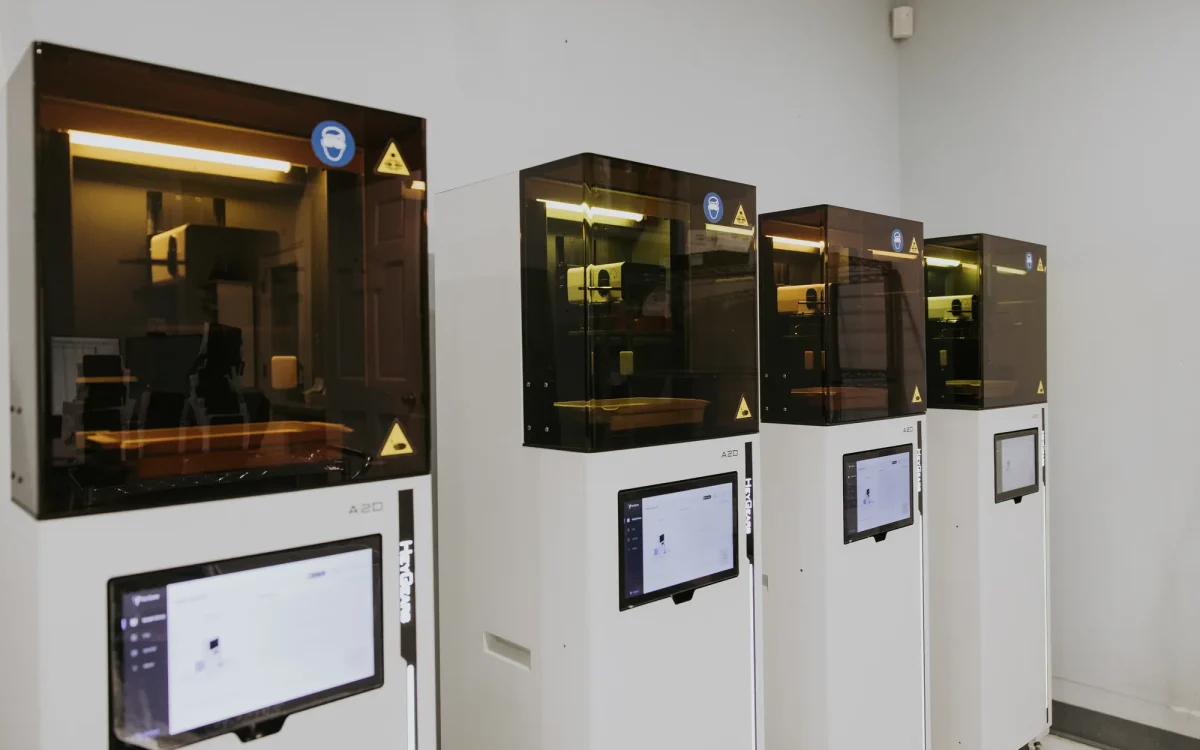
We process implant overdentures in lucite digital printed or traditional acrylic, depending on the case. The denture base, tooth selection, and shade work follow the same process as our traditional and digital denture work.

For details, see digital dentures and traditional dentures.

[ ADA codes for this case ]

ON THE PRESCRIPTION.

Reference values · confirm against current CDT. Insurance language varies by carrier.

D5863
Maxillary overdenture - implant

Maxillary implant overdenture.

D5864
Mandibular overdenture - implant

Mandibular implant overdenture.

D6055
Connecting bar - implant supported

For Hader bar / milled bar designs.

D6056
Prefabricated abutment

When using prefabricated multi-unit abutments.

D6191
Semi-precision abutment placement

For locator-style attachments at delivery.

[ Implant Compatibility ]

IMPLANT-SYSTEM COMPATIBILITY.

We design custom abutments and implant restorations for the major systems used in independent practice. Don't see your system below? Call us, we've likely worked it before.

Nobel Biocare

All major Nobel platforms accepted, including Active, Replace, Conical Connection, and NobelParallel.

Straumann

BLT, BLX, Tissue Level, and SLActive platforms. Original abutment libraries used at the bench.

Astra Tech

EV and OsseoSpeed lines, including the full EV family. Dentsply Sirona libraries on file.

Zimvie (Zimmer)

TSV, Trabecular Metal, Eztetic, and 3i platforms. Combined Zimmer and Biomet legacy lines supported.

BioHorizons

Tapered Internal, Tapered Pro, and Laser-Lok lines. Original abutment connections preserved.

Don't see your system? Ask us, we've likely worked it before.

[ Dentists · in their words ]

WHAT DENTISTS SAY AFTER THEIR FIRST CASE WITH US.

"IDA has become my go to dental lab for all of my implant crowns and bridges as well as traditional bridge cases. Their restorations consistently demonstrate an outstanding fit, often seating with minimal to no adjustments. The esthetics also meet the highest demands. They are easy to work with and always helpful when questions arise. I confidently recommend them to colleagues seeking reliable, highly esthetic results."

Dr. Michael O'Brien

"We've had nothing but positive experiences with this lab. Their team is always willing to help, whether we have questions about a case, need assistance with a remake, or just want a second opinion on treatment planning."

Dr. Lauran Spencer
Dr. Lauran Spencer, DDS

"IDA Tulsa's work on fixed restorations, implant and tooth borne, is very high quality and consistent. Everyone I've worked with from IDA has been very available, open to communication, and helpful in delivering quality restorations for patients. Chris has been a great partner to work with in the dental business."

Dr. Heath Coleman
Dr. Heath Coleman Secure Dentures and Implants
[ Become a Client ]

READY TO PLAN YOUR NEXT CASE WITH US?

Schedule a 15-minute case consultation with an IDA technician. We'll talk through your scan, your patient, and what you need from us.

[ FAQ ]

QUESTIONS FROM THE PREP.

The questions that come up most often before we fabricate. Anything outside these is a planning call.

Contact Us

D5863 for a maxillary implant overdenture, D5864 for a mandibular. Attachment placement and maintenance have separate codes.

Depends on implant count, patient preference, and case-specific factors. Two-implant mandibular cases usually go locator. Four-implant maxillary cases often justify a bar. Worth a planning call.

Typically 12 to 24 months depending on use, then they need replacement. The replacement is simple chairside work.

iTero, TRIOS, Medit, Primescan, and other major scanners. For implant overdenture cases we’ll usually want both arches and a verification protocol, which we’ll cover on the planning call.