[ Dentures & Partials ]

FLEX PARTIALS.

Comfortable, esthetic, no visible metal. We work in the full flex material family, including the major thermoplastics, depending on what suits the case.

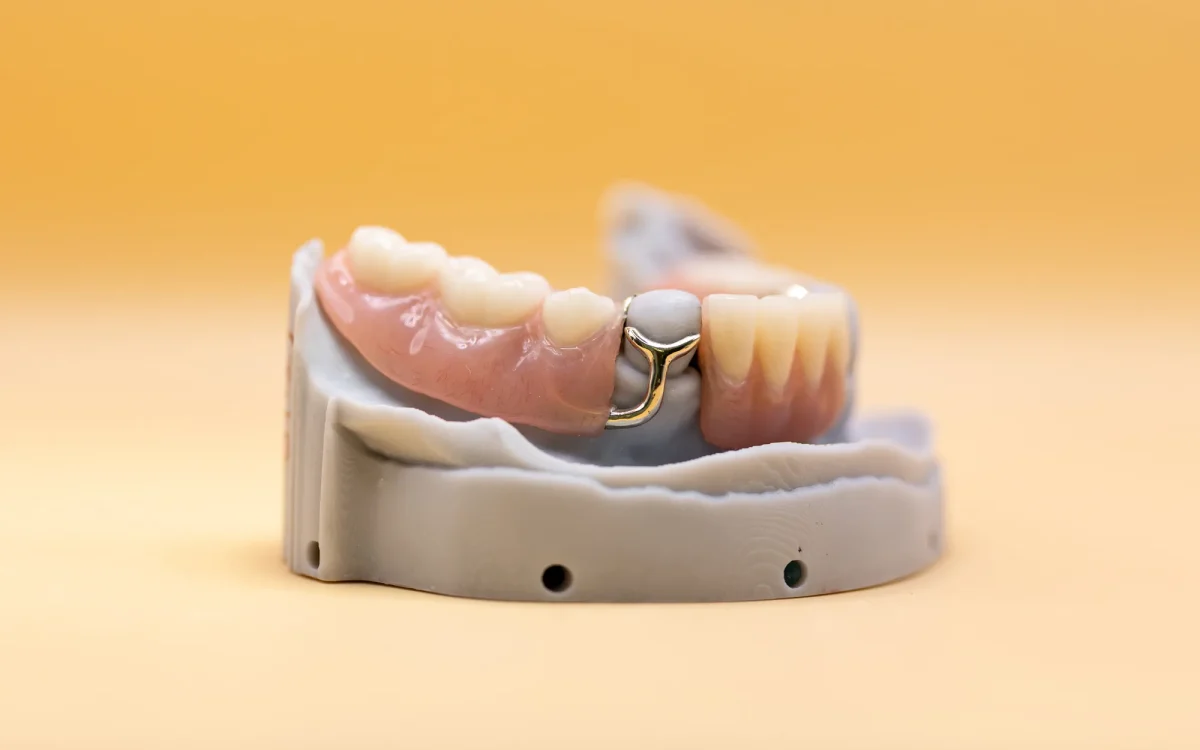
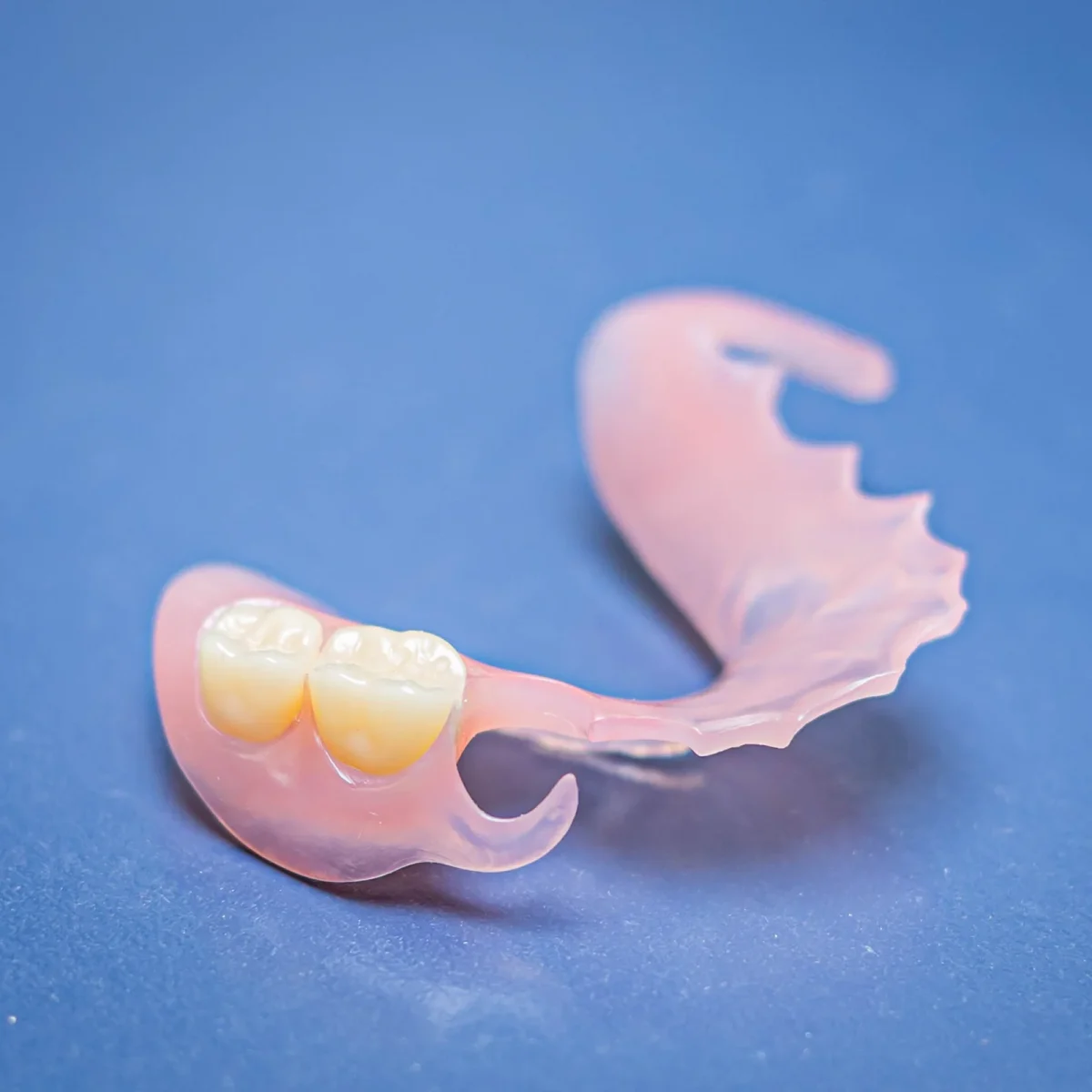
Flexible partial denture with thermoplastic clasp detail
[ What it is ]

THE FLEX MATERIAL FAMILY.

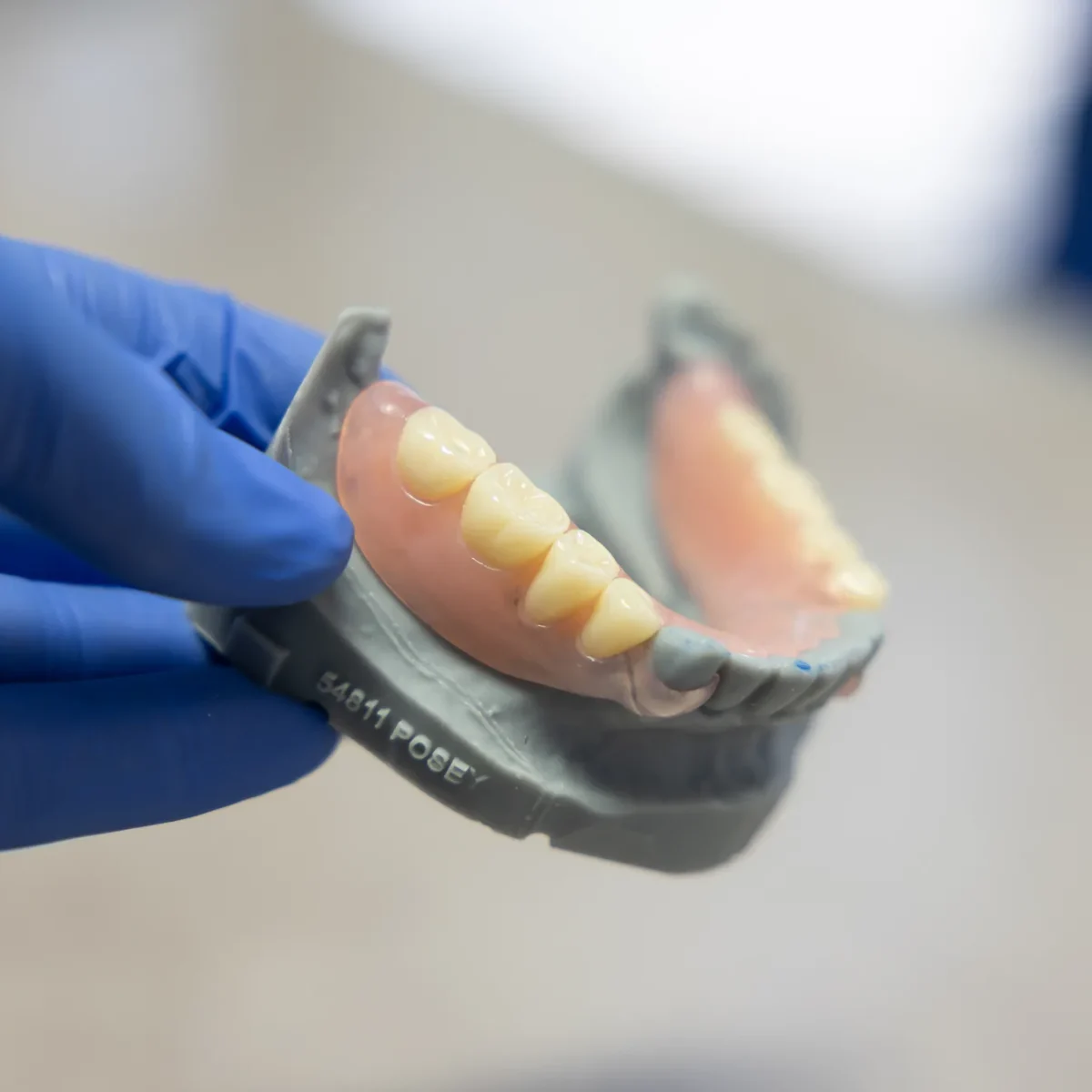
Flexible partials are made from thermoplastic resins that flex slightly under load and grip the teeth from the lingual without metal clasps. Several materials sit in this family, and the right choice depends on the case.

For most flexible partial cases, the Valplast workflow is our default. Our Valplast deep-dive covers indications, candidacy, and case examples in detail. For cases where Duraflex or another thermoplastic suits the case better, this page is the starting point.

  • Right call: esthetic-driven cases, patients with metal sensitivities, patients who lead with “no visible metal.”
  • Cast metal wins: long-term retention, parafunctional load, 10-15+ year service expectations.
  • Worth a planning call: borderline cases where esthetics and retention pull in opposite directions.
[ Material families ]

FLEX VS METAL.

Flex thermoplastics deliver comfort and esthetic clasps. Cast metal delivers retention and longevity. Most clean cases pick one, combinations exist when the case demands both.

Flexible Thermoplastic

Valplast, Duraflex, and related thermoplastic materials. No metal show, flexible clasps that engage tooth undercuts, patient comfort that cast frames can't match.

  • No metal clasp show.
  • Comfort + flexible retention.
  • Esthetic clasp lines.
  • See Valplast deep-dive.

Cast Metal

Chrome-cobalt frame with precise clasp geometry. Maximum retention, longest service life, but metal clasp lines are visible. Best for cases where retention is the priority.

  • Chrome-cobalt frame.
  • Maximum retention.
  • Longest service life.
  • See Cast Partials.
[ Decision Aid ]

FLEX OR METAL, BY CASE.

Pick the scenario closest to your case. We'll show the recommendation and the reasoning. Anything outside these reads as a planning call, not a guess.

/ Choose a scenario
/ Recommendation

Monolithic zirconia.

Strength wins. No reason to risk porcelain chipping under heavy occlusion when monolithic delivers comparable esthetics for a posterior position.

· Material: monolithic zirconia · Prep: conservative · TAT: standard
[ IDA Difference ]

COMFORT IS THE PATIENT WIN.

Comfort is the most consistent reason patients prefer flex over cast metal. The thermoplastic flexes slightly under load, distributes pressure across the soft tissue rather than concentrating it on clasp-bearing teeth, and produces no metal-on-tooth contact.

For patients who’ve worn cast metal partials previously and disliked them, flex is often the case-saving answer. For patients new to partial dentures, flex is often the more comfortable starting point.

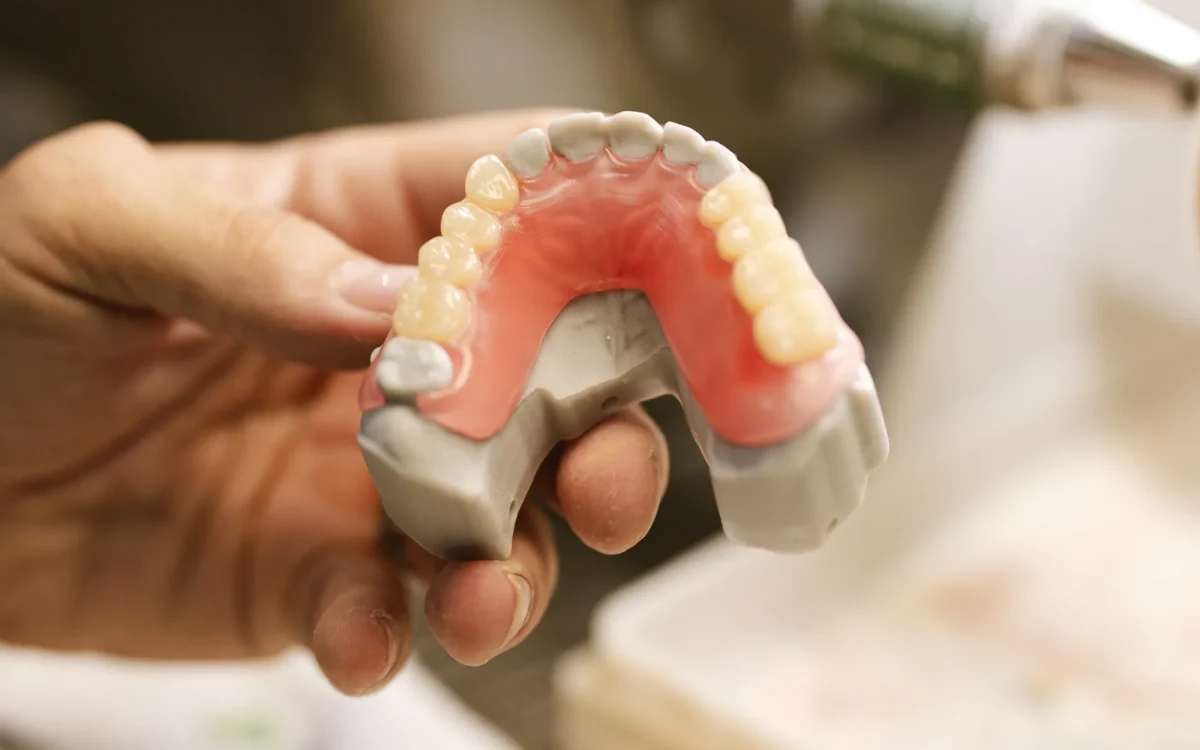
Complete denture esthetic frontal view
[ Cost factors ]

WHAT FLEX PARTIALS COST.

Flexible partial cost is driven by case complexity (number of teeth replaced, frame design, clasp count), the specific material chosen, and the lab’s pricing tier. Generally, flex partials sit between acrylic (economy) and cast metal (premium) on the cost spectrum.

For specific pricing, the patient’s dentist provides the case-specific quote, since lab cost is one component of the total fee.

[ ADA codes for this case ]

ON THE PRESCRIPTION.

Reference values · confirm against current CDT. Insurance language varies by carrier.

D5225
Maxillary partial - flexible base

Standard flex partial maxillary code.

D5226
Mandibular partial - flexible base

Standard flex partial mandibular code.

D5650
Add tooth to existing partial

For modification.

D5740
Reline maxillary partial

Standard reline code.

[ Dentists · in their words ]

WHAT DENTISTS SAY AFTER THEIR FIRST CASE WITH US.

"IDA has become my go to dental lab for all of my implant crowns and bridges as well as traditional bridge cases. Their restorations consistently demonstrate an outstanding fit, often seating with minimal to no adjustments. The esthetics also meet the highest demands. They are easy to work with and always helpful when questions arise. I confidently recommend them to colleagues seeking reliable, highly esthetic results."

Dr. Michael O'Brien

"We've had nothing but positive experiences with this lab. Their team is always willing to help, whether we have questions about a case, need assistance with a remake, or just want a second opinion on treatment planning."

Dr. Lauran Spencer
Dr. Lauran Spencer, DDS

"IDA Tulsa's work on fixed restorations, implant and tooth borne, is very high quality and consistent. Everyone I've worked with from IDA has been very available, open to communication, and helpful in delivering quality restorations for patients. Chris has been a great partner to work with in the dental business."

Dr. Heath Coleman
Dr. Heath Coleman Secure Dentures and Implants
[ Become a Client ]

READY TO PLAN YOUR NEXT CASE WITH US?

Schedule a 15-minute case consultation with an IDA technician. We'll talk through your scan, your patient, and what you need from us.

[ FAQ ]

QUESTIONS FROM THE PREP.

The questions that come up most often before we fabricate. Anything outside these is a planning call.

Contact Us

Both are flexible thermoplastic partial materials with similar comfort profiles. Valplast has the longer track record and the most established case data. Duraflex is a newer material with similar handling characteristics. The case planning call usually settles which is right for the case.

D5225 maxillary, D5226 mandibular for flexible base partial dentures.

Typically 5 to 10 years with good patient handling. Cast metal lasts longer. Acrylic lasts shorter.

Most patients say yes. The thermoplastic flexes under load and distributes pressure across the soft tissue. Patients who’ve worn cast metal previously usually report flex as the more comfortable design.