
Digital dentures have moved from “interesting workflow” to “default workflow” in our denture department. Patients ask about them, dentists prescribe them, and the bench produces them with fewer try-ins and tighter fits. Here are the eight things we explain most often when a doctor or a patient asks what the difference actually is.
How Has Dental Technology Changed Over Time?
Dental technology has significantly transformed the field. Procedures that once required multiple visits across different providers can now be completed in fewer appointments. Modern techniques are less invasive and more reliable. Advancements in dental technology also allow for quicker production and more natural appearance of dental restorations.
What Does Dental Technology Deal With?
Technology has improved dental restorations, reduced procedure invasiveness, shortened recovery times, enhanced imaging quality while reducing radiation exposure by up to 90%, and enabled faster, potentially less expensive manufacturing of dental prosthetics including digital dentures.
1. What are Digital Dentures?
Digital dentures are created from start to finish digitally. The process involves digital mouth scanning for impressions, computer-aided design, and 3D printing technology to manufacture the final product.
2. How are Digital Dentures Made?
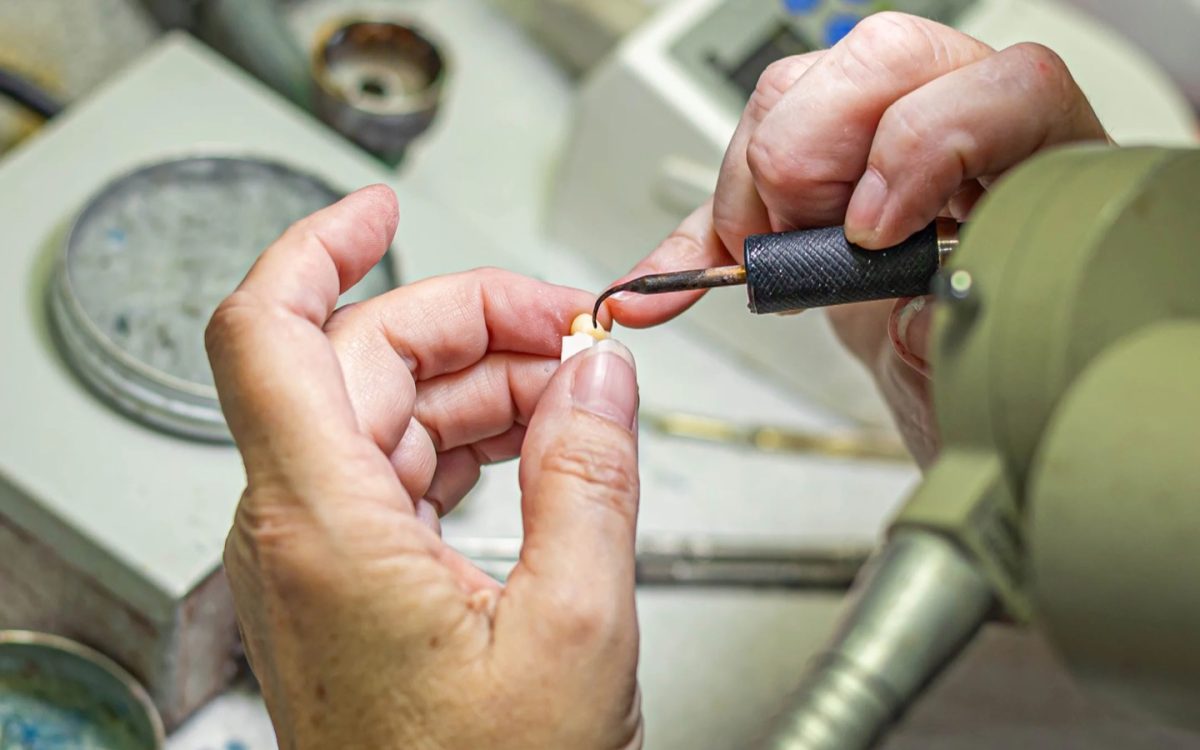
Digital denture teeth are designed using specialized software enabling complete customization. Historical photos can guide the design. The technology uses scientifically proven assessment methods for proper bite alignment and tooth spacing. The digital denture is then crafted out of a solid block of a cured, very hard resin. This material doesn’t shift during curing, resulting in a superior fit compared to conventional dentures.
If you are a dentist rather than a patient, the lab side of this is on our digital denture page, which covers the Lucitone workflow, the materials and what the turnaround actually looks like.
3. How Do Digital Dentures Look?
Digital dentures maintain consistent appearance because the digital denture design is saved indefinitely. Replacements will look identical to the original set, ensuring no visible changes to the wearer’s appearance.
4. What If I Break or Lose My Digital Dentures?
Unlike conventional dentures requiring complete re-impressioning, digital dentures can be replaced quickly since the design is saved as a digital file. Replacements are often ready in a day or two, because the original file stays on the lab server and a digital denture reorder does not start from a new impression. Additionally, the material is 8 times stronger than the acrylic used in conventional dentures, reducing breakage likelihood.
5. What Does the Digital Denture Process Look Like?
The process requires only two appointments. The first creates a digital record, eliminating lengthy conventional impression procedures. The second appointment involves denture delivery.
6. How Long Do Digital Dentures Last?
While conventional dentures typically require replacement every 5-10 years, digital dentures generally last longer due to their stronger material composition.
7. How Much Do Digital Dentures Cost?
Costs vary by individual needs, but the cost of digital dentures does not necessarily increase in spite of the use of advanced dental technology. Replacement copies cost less than conventional denture sets since impression appointments are eliminated. Overall value exceeds conventional dentures since they require fewer adjustments and realignments.
8. Are Digital Dentures Better than Conventional Dentures?
Digital dentures offer advantages including increased comfort, better bite alignment, superior fit, fewer appointments and adjustments, quicker replacement processes, and complete individualization options versus limited prefabricated designs.
If you’re weighing a digital workflow against your existing analog one, send us a case and we’ll walk through what changes for the patient and what changes for the chair.